How to diagnose a hardstuck Marvel Rivals player by spectating one Grandmaster match
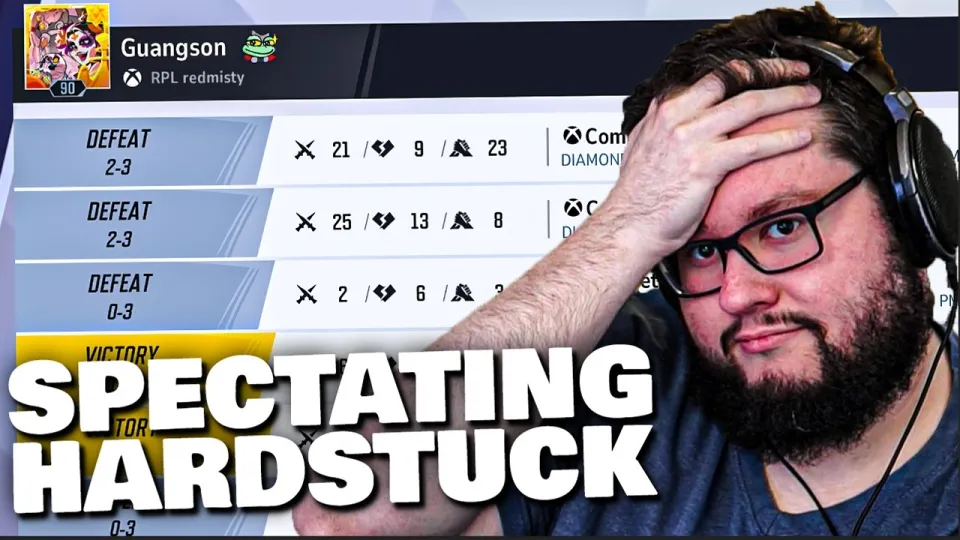
Video: I Spectated Someone Who Claimed To Be Hardstuck In Marvel Rivals
Want articles like this for your own video to promote it on YouTube and Google? Order them through the Telegram bot @sat_sit_bot. Articles with your video embedded are written and posted by the bot itself — on popular topical sites (no ads). Try it free: 50 articles on us.
To diagnose a hardstuck Marvel Rivals player, stop listening to their excuses and watch a full match from their perspective: check win rate, healing and damage numbers, positioning, cooldown usage and how often they blame teammates. In a Grandmaster lobby, Flats spectated a player who claimed his rank was everyone else's fault, and the review turned into a checklist of the exact habits that keep players stuck. You can watch the full breakdown live on Flats' Twitch channel, where he reviews ranked VODs and answers chat questions in real time.
What happened in the Marvel Rivals spectate session
Flats, a longtime Overwatch coach and streamer who now covers Marvel Rivals, took a viewer's claim at face value: the player, going by the in-game name GuangSon, said he was hardstuck and that his teammates were the problem. The lobby was Grandmaster, which is what made the review interesting — this was not a beginner learning the basics. Grandmaster sits near the top of the competitive ladder, so the mistakes on display were not about missing abilities, but about decisions.
Across the match, the player cycled through several heroes with very different jobs. He spent time on Spider-Man, the dive duelist he reportedly mained, then switched to Rocket Raccoon and later ran Dagger while holding Cloak. Flats' review focused less on the hero picks and more on what the player did with them: where he stood, when he used cooldowns, and how he read the fight. The most quoted moment came when the player wandered past a health pack while apparently searching for one — a small detail that says a lot about map awareness.
The habits that keep players stuck in Marvel Rivals
The core problem in the VOD is not mechanical skill but decision-making under pressure. A player can have clean aim and still lose most games if the fundamentals below are missing. Each of these showed up in the spectated match.
- Playing a healer like a duelist. Running Rocket while prioritizing personal safety and damage over healing output leaves the team without sustain. Viewers noted that the "no damage Rocket" idea sounds clever but hurts the hero's actual job.
- Holding the wrong half of a stance hero. Playing Dagger while effectively refusing to use Cloak's utility means giving up half of the kit. Stance heroes reward switching based on the situation, not comfort.
- Ignoring the map. Walking past a health pack you were looking for is a positioning error, and positioning errors compound in every fight.
- Ultimates used without a plan. A missed ultimate that leaves the player standing still in disappointment is a wasted cooldown and a free window for the enemy team.
- Blaming the team before reviewing the tape. The player opened with the claim that teammates held him back, which set the tone for everything after.
Why Grandmaster is not a shield against criticism
Reaching Grandmaster in Marvel Rivals takes real time and some skill, but it does not guarantee that a player understands the game. The ranked ladder in hero shooters inflates over a season: players climb with a negative win rate by grinding volume, and the matchmaker keeps pushing them upward as long as they queue. That is exactly why a Grandmaster badge can sit on top of Bronze-level habits.
One viewer summed up the irony well: the session proved that teammates can hold you back, just not in the way the player meant. Another common reaction was that this is the teammate everyone gets at 99 out of 100 points toward the next rank. The lesson for anyone reviewing their own games is that rank is a lagging indicator — it tells you how much you have played, not how well you understand a fight.
How to review your own Marvel Rivals games
Self-review is the fastest free improvement tool in any hero shooter, and the spectate format gives you a repeatable method. Do the following after every few losses:
- Write down the excuse first. Whatever you blamed in the moment — teammates, matchmaking, lag — is the first thing to check on the replay.
- Count your deaths by cause. Separate deaths caused by bad positioning from deaths caused by lost duels. Most players find positioning dominates.
- Audit cooldown usage. For each ultimate, ask what it was supposed to accomplish and whether it did.
- Check your role output. If you play support, compare healing to the enemy support. If you play duelist, compare picks and damage.
- Watch one fight from the enemy's view. Seeing how easy you were to punish is often more instructive than watching yourself.
Common viewer questions about the hardstuck debate
Viewers raised two recurring doubts. The first is whether the player was genuinely trying — several joked that the performance looked like sabotage, and one noted the player's name would probably be changed after the humiliation. The second is whether the review was fair, given that Marvel Rivals lobbies are chaotic and one bad game proves little.
The honest answer is that a single match is not a verdict, but a pattern of decisions is. The value of the Flats breakdown is not that it humiliates one player; it is that the same mistakes appear in thousands of games at every rank. If you recognize even two of the habits above in your own play, the review has done its job.
Where to find the full breakdown and more
Flats publishes full spectate sessions, ranked reviews and coaching content across several channels. The main hub is his live stream, and the community gathers on Discord between streams. All official links from the video:
Final thoughts on the hardstuck Marvel Rivals problem
Hardstuck is usually a story players tell themselves to avoid reviewing their own decisions, and this spectate session shows how quickly that story falls apart under scrutiny. The player's hero pool, positioning and cooldown usage all pointed to the same conclusion: the rank was earned by volume, not by understanding. Flats, the author of this breakdown, turns a single viewer submission into a practical checklist that any Marvel Rivals player can apply to their own replays. If you want to see the next review as it happens, join the live stream on Flats' Twitch channel and bring your own VOD.
Key takeaways
- Flats spectated a Marvel Rivals player named GuangSon who insisted his teammates were the reason he could not climb, in a Grandmaster-ranked lobby.
- The player mained Spider-Man, played Dagger while holding Cloak, and was criticized for walking past a health pack while looking for one.
- His Rocket playstyle, built around avoiding damage instead of healing, was singled out as a common low-rank habit that survives into high ranks.
- Viewers pointed out that the clip proves teammates can hold you back, but not in the way the player intended.
- The VOD is a template for self-review: stats, positioning, cooldown usage and accountability are the four things to check first.
Source: I Spectated Someone Who Claimed To Be Hardstuck In Marvel Rivals · Markdown version
Questions & answers
What does hardstuck mean in Marvel Rivals?
Hardstuck describes a player whose rank has stopped moving despite a large number of games played. It usually means the player has plateaued because of repeated decision-making errors rather than a lack of mechanical skill, and it often comes with the belief that teammates are the cause.
Can you climb in Marvel Rivals with a negative win rate?
Yes, in practice you can. Ranked systems in hero shooters award points for wins and deduct less for losses, and seasonal resets plus placement inflation push players upward over time. That is why a high rank does not automatically prove strong game understanding.
Why is Rocket Raccoon considered a bad pick for damage-focused players?
Rocket's value comes from sustained healing, revives and mobility, not from dueling. A Rocket who avoids fights and skips healing leaves the team without support, which is why the damage-first Rocket style is treated as a low-rank habit rather than a valid strategy.
How do I know if my teammates are actually holding me back?
Review several replays and count your own deaths by cause before blaming anyone else. If most of your deaths come from positioning, cooldown misuse or lost duels, teammates are not the main variable. Consistent personal errors across many games are the real signal.