What does solo life in Rust actually look like when one player holds a monument against multiple neighbors?
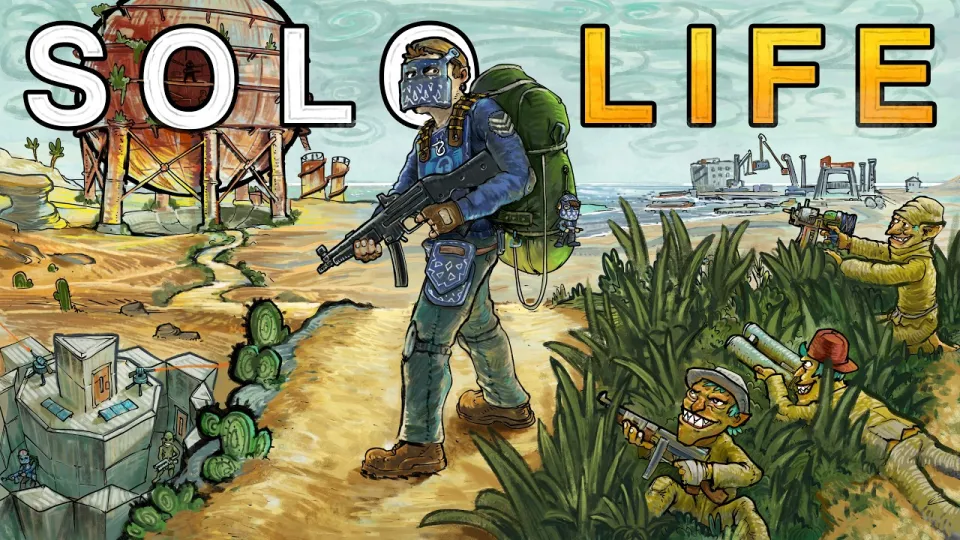
Video: Rust - THE SOLO LIFE V16
Want articles like this for your own video to promote it on YouTube and Google? Order them through the Telegram bot @sat_sit_bot. Articles with your video embedded are written and posted by the bot itself — on popular topical sites (no ads). Try it free: 50 articles on us.
Solo life in Rust means one player must generate resources, build a base, and defend an OP monument without a team to rotate with. In Blooprint's "THE SOLO LIFE V16" episode, the answer is a monument hold that turns into a multi-front neighborhood war. You can grab the same War Thunder bonus the creator promotes through his free signup link (PC and console), which supports the channel at no cost.
Why holding an OP monument solo is the core challenge of Rust
An OP monument is any high-value location that gives a solo player a steady flow of components, scrap, and loot, but it also puts you on every neighbor's map. In the episode, Blooprint claims a monument and immediately becomes the target of multiple angry neighbors who want the same loot and the same breathing room. The solo advantage is speed: one player can rotate through puzzles, hit barrels, and leave before a group can organize a response. The solo disadvantage is attrition: every fight costs you gear you have to replace alone, while groups can re-gear from a shared box. That tension is what makes the monument hold a real test of Rust survival rather than a simple PvP montage. The episode leans on the idea that a solo base is not just a stash; it is a forward operating point that lets you contest an OP monument without running across the map after every death.
How Blooprint builds and defends a solo base near a monument
A solo base in Rust works when it is cheap to expand, hard to see, and close enough to the monument that you can defend it. Blooprint's run follows a familiar solo progression: a starter base near the monument, a quick upgrade to stone and sheet metal, and a layout that forces raiders into narrow angles. The episode's chat highlights a moment where the creator appears to build a Willjum-style starter, a compact design that trades space for raid cost. The practical checklist for this approach:
- Pick a monument with multiple loot routes, such as a dome or a harbor, so you can vary your farming pattern.
- Place the base within a short run of the monument but behind terrain that blocks long sightlines.
- Keep the core small and put the loot behind at least two doors, ideally with a shotgun trap or a peep hole.
- Stock a second set of gear in a hidden stash so a single death does not end your monument control.
- Use the monument's verticality, like the dome's spiral, to break line of sight during fights.
What a solo raid defense looks like when neighbors push together
A solo raid defense in Rust is about making attackers spend more than the loot is worth, and the episode shows that principle under pressure. Multiple neighbors coordinate a push, which turns a normal online raid into a defense where one player has to reload, repair, and reposition alone. The memorable moment comes when two solos with a shared goal join the fight, creating a temporary alliance that shifts the balance. The defense works because the base is designed for it: tight doorways, traps, and a core that is not adjacent to the outer wall. The lesson is that solo raid defense is less about aim and more about preparation. If your base has one loot room directly behind the first door, a group will drain it in minutes. If your base forces a raider to use explosives on multiple layers, you buy time for a counter-push or for a neighbor to intervene.
How to handle neighbors and diplomacy as a solo player
Neighbors decide whether solo life in Rust is a grind or a war, and the episode shows both sides. Early on, the monument hold attracts hostile players who see a solo as an easy raid target. Later, a friendly neighbor becomes an unexpected asset, and the community response singles out that player as insanely good and worth running with. The takeaway is that solo play does not mean refusing every interaction. A short truce, a shared raid, or a simple "I won't shoot if you don't" can turn a dangerous flank into a safe one. The episode also shows the cost of reputation: once you are known as the player holding the monument, groups will test you repeatedly. Managing that reputation means choosing when to fight, when to hide loot, and when to let a neighbor walk away so you do not create a second front.
The common questions solo players ask after watching a monument hold
Solo players watching a monument hold usually want to know whether the strategy is repeatable or just good editing. The honest answer is that it is repeatable with the right monument and the right base placement. A monument with predictable loot routes and vertical cover gives a solo player the ability to disengage, which is the real survival skill. The episode also raises the question of time: a solo spends more time farming and crafting, so every fight has to be chosen carefully. Comments from viewers point out that groups waste time chasing one solo, which is a real advantage if you keep moving. Another common concern is night vision; several viewers joke that they cannot see anything in dark scenes, which is a reminder that brightness settings and monitor calibration matter as much as gear in Rust. Finally, the community asks about running a duo. The episode leaves that door open, and the friendly neighbor storyline suggests that a trusted partner can multiply a solo's effectiveness without turning the run into a full clan operation.
Useful links from the episode
- War Thunder free bonus for PC and consoles — the creator's sponsored signup link.
- War Thunder mobile bonus — the mobile version of the same offer.
- Blooprint on Twitch — live Rust gameplay.
- Blooprint on Kick — alternative streaming channel.
- Blooprint on TikTok — short clips and highlights.
Final thoughts on solo life in Rust
Solo life in Rust is not a weaker version of group play; it is a different discipline built on positioning, base design, and selective fights. Blooprint's monument hold shows that a single player can control an OP monument if the base is built to buy time and the player knows when to disengage. The episode's raid defense and the friendly neighbor storyline prove that diplomacy and preparation matter as much as aim. If you want to support the channel and try the sponsor's free offer, use the War Thunder signup link before your next wipe. The Blooprint channel remains one of the clearest examples of how to turn a chaotic solo wipe into a watchable, instructive run.
Key takeaways
- Blooprint's 'THE SOLO LIFE V16' episode aired on September 30, 2026, on the Blooprint channel.
- The episode centers on a solo player holding an OP monument while fending off multiple angry neighbors.
- The run includes a raid defense where two solos with a dream push the base.
- A friendly neighbor, nicknamed grrrr, becomes a key ally and redeems himself in the end.
- The video is sponsored by War Thunder, with free signup links in the description.
Source: Rust - THE SOLO LIFE V16 · Markdown version
Questions & answers
Can you really hold an OP monument as a solo player in Rust?
Yes, but only with the right base placement and a disengage plan. A solo player should pick a monument with predictable loot routes and vertical cover, build a compact base nearby, and avoid fights that cost more gear than the monument produces. The key is speed and repositioning, not winning every fight.
What is the best way to defend a solo base against multiple neighbors?
Make attackers spend more than the loot is worth. Use multiple layers, traps, and a small core that is not directly behind the first door. Keep a backup kit in a hidden stash so one death does not end your defense, and use the time you buy to counter-push or call in a temporary ally.
Should a solo player team up with a friendly neighbor?
Sometimes, yes. A short truce or a shared raid can turn a dangerous flank into a safe one, and a trusted partner can multiply your effectiveness without turning the run into a clan operation. The risk is betrayal, so keep your core loot separate and agree on terms before you commit.
Why do viewers say they cannot see anything in dark Rust scenes?
Rust nights are genuinely dark, and video compression makes them worse. Adjust your monitor brightness and gamma, and consider in-game settings that improve visibility without breaking the game's rules. Even experienced players struggle to spot movement at night, so avoid unnecessary night rotations unless you have night vision.